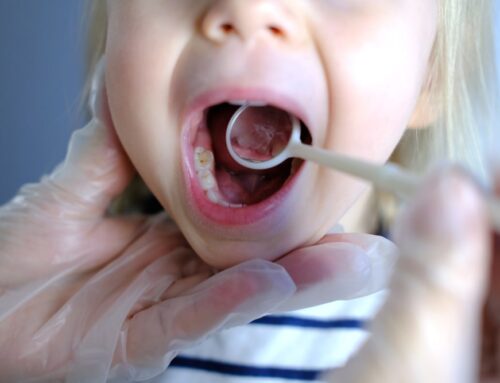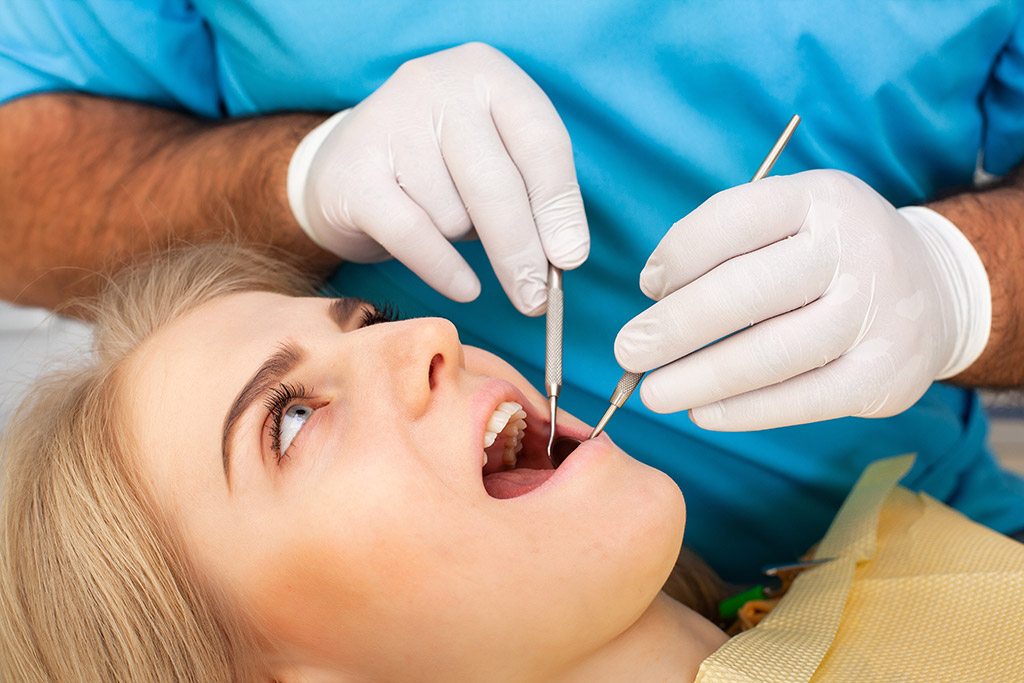
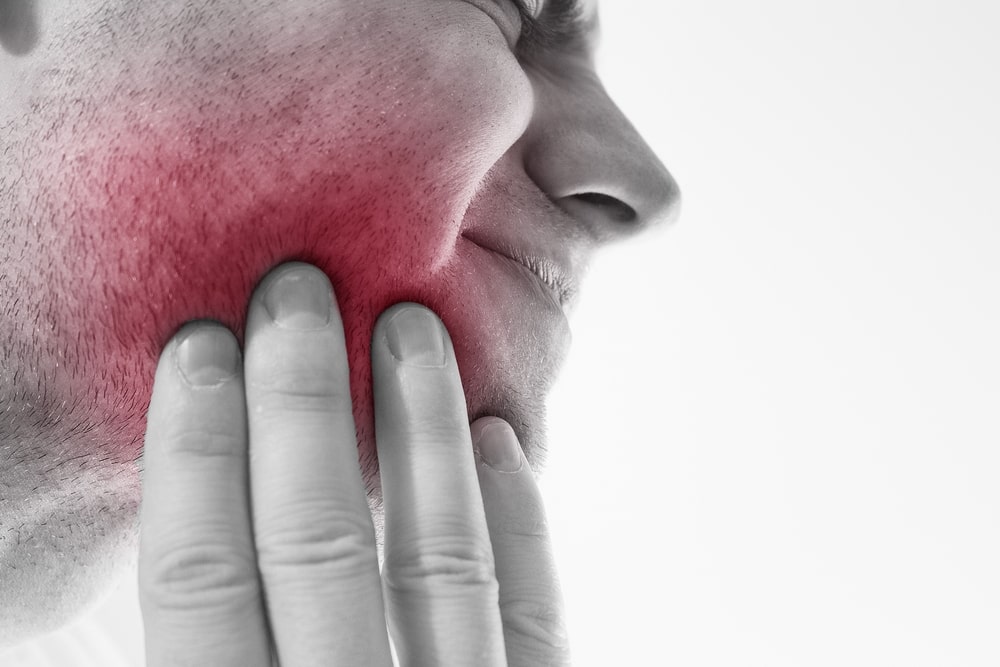
Tooth pain when you bite down or touch your teeth isn’t something you should ignore. It can signal an underlying dental issue that may get worse without treatment. In many cases, seeing an emergency dentist can help you get relief quickly and avoid long-term complications.
Let’s break down seven common Causes of Tooth Pain when biting down or touching your teeth, and how Yankee Valley Dental can help.
1. Cavities
As kids, we were often told to avoid sugary foods—and for good reason. When sugar interacts with plaque bacteria in your mouth, it becomes acid. This acid wears down enamel, the protective layer of your teeth, leading to decay.
As the enamel weakens, small holes form in your teeth, known as cavities. Cavities often develop without obvious symptoms. In fact, the first sign might be the tenderness you feel when biting down or touching the affected tooth.
2. Alignment
Tooth alignment matters so much that an entire dental practice is dedicated to it—orthodontics. When your teeth are misaligned and your bite doesn’t come together properly, it can lead to uneven or excessive wear. This often causes jaw pain and discomfort when biting down.
Among the potential Causes of Tooth Pain, bite problems may be less obvious because there isn’t always visible damage to the affected tooth.
3. Sinus Congestion
Not all dental pain is caused by a dental issue. The roots of your upper teeth sit very close to your sinuses, so pressure, congestion, or infections can cause tooth pain. Known as a “sinus toothache,” this pain is usually felt in the upper back teeth near the sinuses. If the tooth pain when biting or touching your teeth occurs in a group of teeth rather than just one, your sinuses might be the cause.
4. Periodontitis
Periodontitis, the result of untreated gingivitis, can cause severe oral pain. Overall dental health involves maintaining not only your pearly whites but also your gums, which help support and stabilize your teeth.
Poor oral hygiene can lead to gingivitis—the accumulation of bacterial plaque around your teeth. If left untreated, it can progress and damage the tissues supporting your teeth. This can cause red, bleeding, tender gums, dental pain, and, in advanced cases, tooth loss.
If you’re experiencing significant pain, swelling, or bleeding, an emergency dentist in Airdrie can assess what’s happening and recommend appropriate treatment.
5. Detached fillings or crowns
Dental restorations can wear down or become damaged over time. When a filling or crown becomes loose, bacteria can become trapped beneath it, irritating the tooth and, in some cases, the nerves.
Biting down on or touching a loose filling or crown can aggravate an already irritated tooth and cause sharp pain. A loose or damaged restoration is a common cause of tooth pain that should be assessed rather than ignored.
6. Dental Abscess
If you feel pain in a specific tooth when biting down, it could be caused by a dental abscess near the root. This infection creates a pocket of swelling inside the bone, which puts pressure on the tooth and surrounding tissues and causes discomfort when pressure is applied.
Symptoms can come and go. Some days the pain may be intense, while on others it might fade. You may also notice a small pimple-like bump (called a fistula) on the gums near the affected tooth, often releasing a salty-tasting fluid.
The most effective way to save an abscessed tooth is to visit an emergency dentist for a root canal, which removes the infection and relieves the pressure.
7. Cracked Tooth
A cracked tooth is one of the trickiest dental issues to diagnose. In many cases, the only symptom is sharp pain when you bite down or touch the tooth. If you notice discomfort after eating, try to pinpoint the area it’s coming from.
At our office, we use a special bite stick to apply pressure to specific spots on the tooth. This helps identify cracks that aren’t visible to the eye or detectable on X-rays. Larger fractures may show on an X-ray, but fine hairline cracks usually don’t. That’s why additional testing is often needed to confirm if a crack is present.
How an Emergency Dentist Can Help
Treat Cavities
If a cavity is the cause of your tooth pain when biting down or touching your teeth, your emergency dentist will fill it to restore the tooth’s function and integrity. Proper treatment will also prevent the decay from spreading deeper or impacting nearby teeth.
Alleviate Unexplained Tooth Pain
Maybe you bit down improperly, or perhaps you took a hit to the jaw during a sporting activity, or maybe you have no idea what’s causing your tooth pain when you bite down.
While your unexplained tooth pain could stem from numerous factors, you don’t have to live in pain while waiting for an appointment. Our emergency dentists in Aridire will thoroughly examine your teeth to determine what’s causing the pain and treat it immediately.
Soothe Mouth or Jaw Inflammation
Inflammation or swelling can be caused by any number of factors, from jaw or mouth infections to swollen lymph nodes. This can make it difficult to pinpoint exactly what’s causing your pain. Our dentists will inspect your teeth to find the source of the oral swelling, and treat the condition before it worsens.
Relieve Bleeding Gums
It’s normal for your gums to bleed mildly with known dental problems such as plaque build-up or gum disease. However, if your gums are bleeding continually and are accompanied by pain or inflammation, do not hesitate to reach out for emergency assistance. Contact your dentist as soon as possible.
Replace a Missing Crown or Filling
When a filling or crown loosens, you’ll likely know fairly quickly—often occurring as a weird taste of pennies inside your mouth. Regardless, don’t brush off the strange feeling or taste. Instead, contact your emergency dentist as soon as possible. Waiting too long will only worsen the problem and may result in more serious procedures such as a root canal.
Fix Broken, Chipped, or Cracked Teeth
A damaged tooth can lead to intense pain. If it’s been knocked out, it may also cause significant bleeding. Without prompt care, you risk permanent tooth loss. Delaying treatment can lead to more invasive procedures and higher costs.
Heal an Abscessed Tooth
You might not realize you have an abscessed tooth right away—but the pain makes it hard to ignore. An abscess can severely affect your ability to eat, speak, or even breathe comfortably. Common symptoms include:
- Difficulty talking
- Trouble breathing
- Struggle to eat or drink
- Pain anytime anything touches your teeth
Don’t wait for the pain to get worse. Book an appointment with your emergency dentist today and get the relief you need.
Treat Exposed Nerves
Exposed nerves can cause intense, constant pain—making it hard to focus on anything else. If the pain from an exposed nerve or abscessed tooth suddenly disappears, that’s not a good sign. It may mean the nerve is so damaged that it no longer sends signals, indicating a serious issue.
Don’t ignore it. An emergency dentist can treat the problem and help relieve your pain before it gets worse.
Get Tooth Pain Checked Before It Gets Worse
Tooth pain can be stressful, but getting the right care quickly makes all the difference. At Yankee Valley Dental, we’re here to help – whether you’re dealing with sudden pain, a cracked tooth, or an infection.
Our experienced team of emergency dentists provides same-day dental care whenever possible in a calm, supportive environment. We’ll assess the issue, relieve your pain, and guide you toward the right solution—so you can get back to eating, smiling, and living comfortably.
Contact Yankee Valley Dental in Airdrie today to book your emergency appointment. We’re here when you need us most.
Frequently Asked Questions
What are the common causes of tooth pain when biting down or touching my teeth?
Common Causes of Tooth Pain when biting or touching a tooth include cavities, cracked teeth, gum disease, dental abscesses, loose restorations, bite problems, and, in some cases, sinus pressure.
Can tooth pain when biting down indicate a serious dental problem?
Yes, tooth pain when biting down can signal a serious condition like a deep cavity, a cracked tooth, or even an infection. See an emergency dentist as soon as possible for a proper diagnosis.
What can I do at home to relieve tooth pain when biting down?
Over-the-counter pain relievers, warm saltwater rinses, and avoiding hard or chewy foods can all help relieve the pain. That said, it’s best to consult a dentist for a long-term solution.
Can tooth sensitivity cause pain when touching my teeth?
Yes, tooth sensitivity, which is often caused by exposed roots, worn enamel, or gum recession, can lead to sharp pain when touching the teeth or consuming hot or cold foods and drinks.
Should I Ignore Tooth Pain If It Only Hurts When I Bite Down?
No. Even if your tooth feels fine most of the time, pain when biting can signal that something needs attention. Possible causes of tooth pain include a cavity, crack, infection, or problem with the gums or an existing restoration. Getting it checked early may help prevent the underlying problem from worsening.
How Can I Prevent Tooth Pain When Biting?
Good oral hygiene can help prevent some common causes of tooth pain. Brush twice daily, floss regularly, limit sugary foods and drinks, and keep up with routine dental checkups and cleanings. Avoid chewing ice and other very hard objects that could damage your teeth, and speak with your dentist if you grind or clench your teeth.